Independent guide for used-car buyers — United States
Know More About a Used Car Before You Buy
Every used car has a past. A vehicle history report can surface the records tied to its 17-character VIN — so you can negotiate with facts instead of taking a stranger’s word for it.
Affiliate disclosure: We may earn a commission if you purchase through this link, at no additional cost to you.
What a report may show
The records hiding behind a clean shine
A fresh wash and a low price can hide a hard life. A vehicle history report gathers the records tied to a car’s VIN so you can see what sellers may not mention.
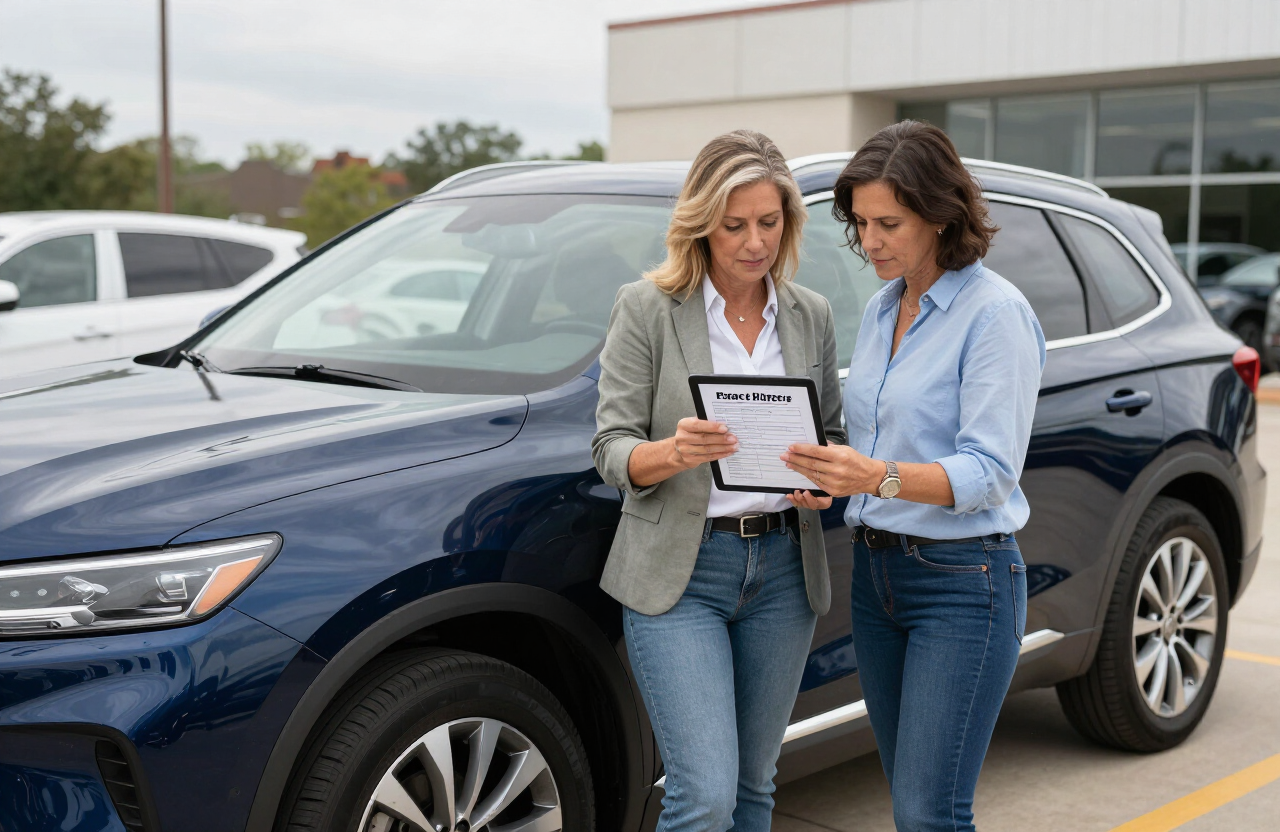
Reports may not contain every record — only events that were reported to the underlying databases. Always pair a report with an independent mechanical inspection.
Reported accidents
Collisions and damage events reported by insurers, police, or repair facilities.
Title records
Title brands such as salvage, rebuilt, lemon, or flood, plus title transfers across states.
Odometer history
Recorded mileage readings over time, which can reveal rollbacks and inconsistencies.
Open recalls
Manufacturer safety recalls that have been issued and may still be unrepaired.
Theft records
Reports of the vehicle being stolen — and, in some cases, recovered.
Flood damage
Water and flood damage events that can corrode electronics long after the car dries out.
Salvage records
Insurance total-loss events where the vehicle was declared salvage and later rebuilt.
How it works
Three steps between you and the truth
The VIN search and any required registration happen securely on the report provider’s website.
Locate
Find the 17-character VIN
Every car sold in the U.S. carries a unique Vehicle Identification Number. Copy it from the dashboard plate, the driver’s door jamb, or the title paperwork.
Search
Run a VIN search
Enter the VIN with our partner’s lookup tool. The search checks the number against national databases of reported vehicle events.
Review
Read the available report
Review the records that come back — accidents, title brands, odometer readings, recalls, theft, flood or salvage — before you make an offer.
You’ll leave this site — searches run on the provider’s website
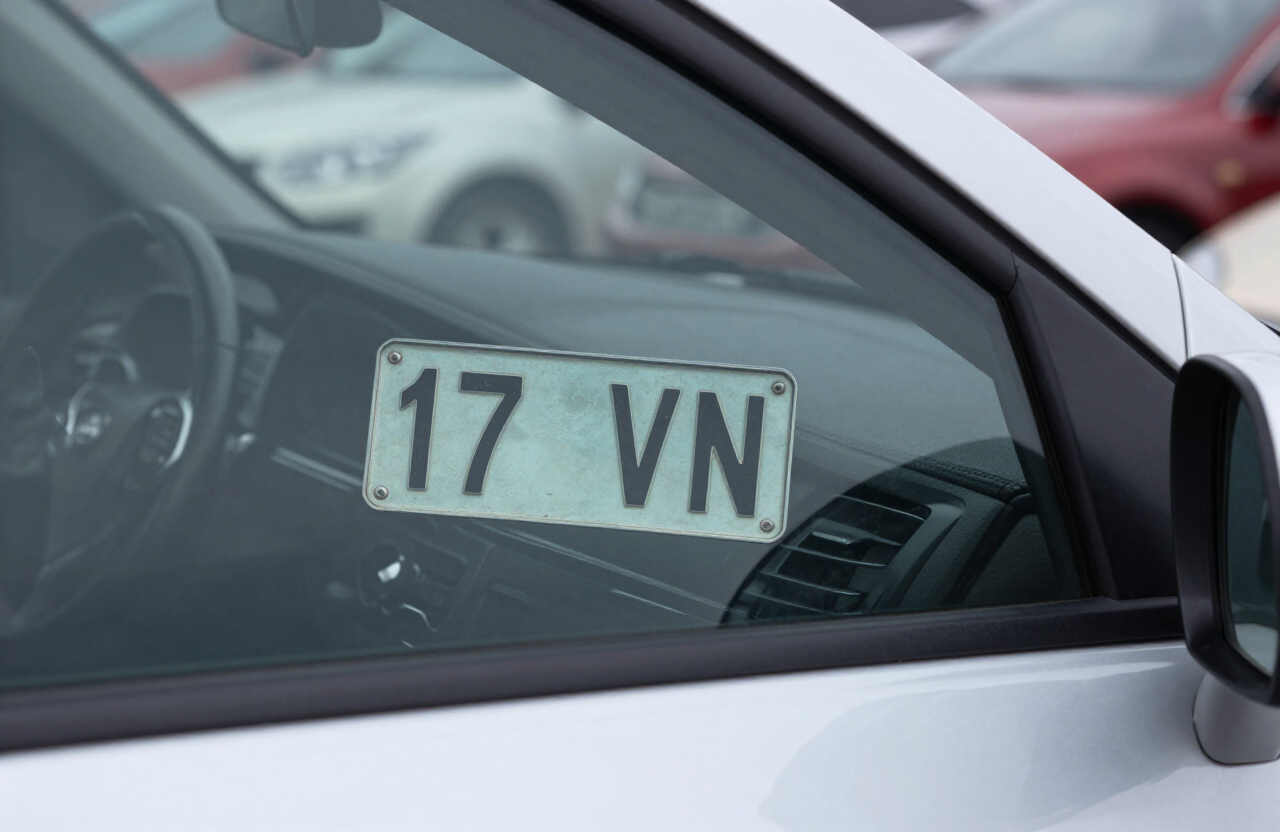
Fig. 04 — The VIN plate at the base of the windshield
Good to know
A VIN is always 17 characters — a mix of capital letters and numbers. It never contains the letters I, O, or Q, so it can’t be confused with 1 and 0. If a “VIN” is shorter, longer, or doesn’t match between locations, walk away.
Where to find a VIN
Five places every car shows its number
Before you run any search, find the VIN on the vehicle itself — and confirm it matches the paperwork. A mismatch is one of the oldest red flags in the used-car world.
Driver’s side dashboard
Stand outside the car and look through the windshield where the dash meets the glass — the metal plate is the most common spot.
Driver’s door jamb
Open the driver’s door and check the sticker on the door frame. It lists the VIN alongside weight ratings and tire pressures.
Title and registration
The VIN is printed on the vehicle’s title and registration card. It must match the car itself — character for character.
Insurance documents
Insurance cards and policy paperwork list the VIN of the covered vehicle. Another quick cross-check against the car.
Engine block and frame
On many vehicles the VIN is also stamped into the engine block or chassis — useful for spotting swapped parts.
The buyer’s checklist
Ten checks before you hand over the money
Print it, save it, or keep it open on your phone at the dealership. Each step takes minutes — skipping one can cost thousands.

Remember: a vehicle history report does not replace a mechanical inspection. Always have an independent mechanic examine the car before you buy.
Get the 17-character VIN from the car itself
Copy it from the dashboard plate or door-jamb sticker — not just from the listing — and make sure every location matches.
Run a vehicle history report
Look for reported accidents, title brands, odometer history, open recalls, theft, and flood or salvage records.
Verify the title status
Confirm the title is clean and in the seller’s name. Be cautious with salvage, rebuilt, or out-of-state titles.
Compare odometer readings
The mileage on the dash should line up with the report’s odometer history and any service stickers in the door jamb.
Check for open recalls
Use the free NHTSA recall lookup at nhtsa.gov/recalls with the VIN. Recall repairs are performed free by dealers.
Inspect the car in daylight
Look for mismatched paint, uneven panel gaps, overspray, rust, and uneven tire wear — all signs of past repairs.
Take a proper test drive
Start the engine cold, test the brakes and steering, cycle every gear, and try the air conditioning and electronics.
Review maintenance records
Ask for service history. Consistent oil changes and scheduled maintenance are a good sign; gaps are a question.
Get an independent mechanical inspection
A history report never replaces this. Pay a trusted mechanic to put the car on a lift before you commit.
Negotiate with facts
Use what the report and inspection reveal — accidents, brands, needed repairs — to agree on a fair price.
Frequently asked questions
Straight answers for careful buyers
What reports can and can’t tell you, what this site does with your data (nothing), and how the affiliate relationship works.
07 — Before you sign anything
Check the car’s story before it becomes your car.
One search can surface reported accidents, title brands, odometer inconsistencies, open recalls, theft, and flood or salvage records — the details that change what a car is really worth.
Vehicle History Guide is an independent affiliate website. Reports may not contain every record, and a history report does not replace a mechanical inspection. We never collect VIN numbers or payments on this website.